The Hidden Language of Light Colour
Every time you switch on a light, you're making a choice that affects not just how well you can see, but how you feel, think, and behave in the hours that follow. The colour temperature of light — its warmth or coolness — has direct and measurable effects on the human nervous system, influencing everything from hormone production and sleep quality to cognitive performance and emotional state. Yet most people give this dimension of lighting design no thought at all, accepting whatever colour of light their fixtures produce without considering whether it's appropriate for the activities and times of day they're using it for.
The Science: How Light Colour Enters the Brain
The effect of light colour on mood and physiology operates through a specific photoreceptive pathway distinct from the visual system most people are familiar with. In addition to the rods and cones that enable sight, the human retina contains intrinsically photosensitive retinal ganglion cells (ipRGCs) containing a photopigment called melanopsin. Melanopsin is most strongly activated by short-wavelength (blue) light — the wavelengths dominant in daylight and cool-white artificial sources. When activated, it sends signals to the brain's master clock, which interprets the blue light as indicating daytime and responds by suppressing melatonin production, increasing cortisol, and synchronising the body's circadian rhythms. When blue light is absent — as it is in warm-toned candlelight and warm-white LED sources — this system is not activated, and the body begins its gradual preparation for sleep.
Warm Light: Social Warmth and Relaxation
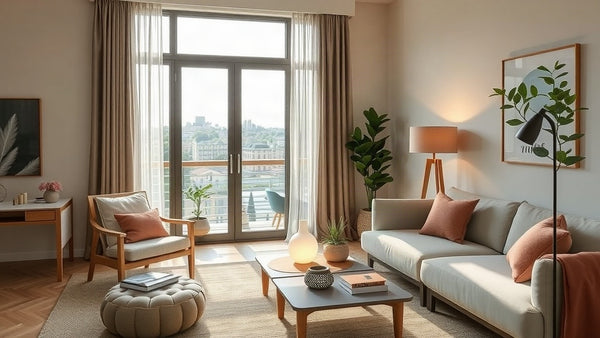
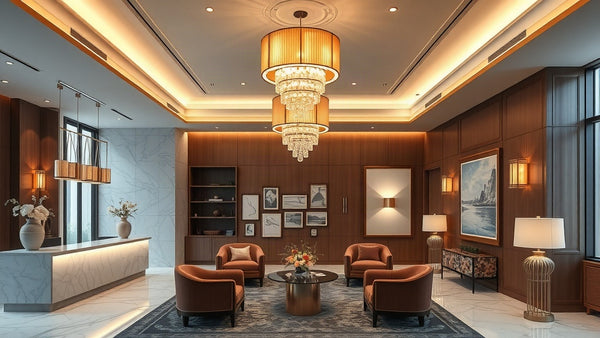
Light in the 2,700K range produces measurable psychological effects beyond its influence on the sleep-wake cycle. Research in environmental psychology consistently associates warm light with increased feelings of social warmth, emotional openness, and interpersonal intimacy. People in warm-lit environments rate social interactions as more positive and feel more comfortable disclosing personal information. The association is almost certainly evolutionary: for most of human history, warm light was synonymous with fire — the social centre of human groups, the place of gathering and community. Warm artificial light activates some of the same associations, creating a low-level sense of social safety that promotes emotional openness. The practical implication is clear: living rooms, dining rooms, and any spaces for social interaction benefit from warm-toned illumination. Browse Nauradika's warm-toned lighting collection for fixtures that create the social warmth that 2,700K illumination produces.
Cool Light: Alertness and Cognitive Performance
At the opposite end of the spectrum, cool-white and daylight-spectrum light (5,000K and above) produces measurable increases in alertness, cognitive performance, and reaction speed. Research has shown that cool, bright light improves performance on cognitive tasks requiring sustained attention and working memory. The implication for home design is equally clear: home offices, studios, and spaces dedicated to focused cognitive work benefit from cooler, brighter light at 4,000–5,000K. The same light level and temperature in a bedroom or living room in the evening would be a disaster for sleep quality.
Colour Rendering Index: The Often-Forgotten Variable
Beyond colour temperature, the colour rendering index (CRI) profoundly affects the psychological experience of a space. CRI measures how accurately a light source renders the colours of objects compared to reference daylight (100 CRI). A light source with CRI 80 makes colours look slightly dull; a source with CRI 95 makes them appear vivid and natural. High-CRI light makes food look more appetising, skin look more vibrant, and interiors look more intentional and beautiful. In spaces where aesthetics matter — living rooms, dining rooms, bedrooms — LED sources with CRI 90 or above are worth the small price premium.
Practical Recommendations
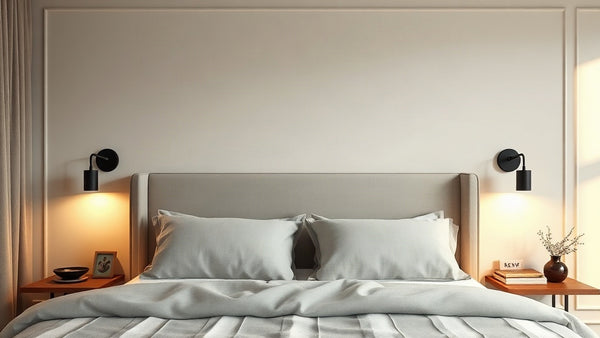
A simple framework applies for a psychologically aligned home lighting scheme: use 2,700K warm-white lighting in all living, dining, and sleeping spaces; use 3,000–3,500K in kitchens and bathrooms where slightly more clarity is needed; use 4,000–5,000K in home offices and study areas where cognitive alertness is the priority. Install dimmers on all living and sleeping space circuits to allow light levels to be reduced as the evening progresses. This simple practice — colour temperature as temporal design — is one of the highest-impact changes available to homeowners interested in both the aesthetic quality and the biological alignment of their lighting. Find the right fixtures at Nauradika.
Nauradika Trade